Author: [email protected]

  • Can You Keep the House in a Divorce? Legal and Financial Considerations

    Divorce is a challenging process that often involves difficult decisions about dividing shared assets. One of the most emotionally and financially significant assets is the family home. Many individuals wonder, “Can I keep the house in a divorce?” The answer isn’t straightforward and depends on a range of legal and financial factors. In such complex situations, knowledgeable divorce lawyers can offer valuable guidance to help individuals understand their rights and make informed decisions about property division. Consulting divorce lawyers in Maryland can provide crucial guidance on property division and help ensure a fair outcome. Understanding the top ten reasons for divorce can provide valuable insight into the common challenges couples face and help individuals navigate the process with greater clarity. Whether it’s amicable or contested, London divorce solicitors provide essential support through every stage of the process.

    For those going through a separation in the Lone Star State, it’s also important to be informed about spousal support in Texas, as it can play a key role in achieving financial stability after divorce. This article explores the key considerations you should evaluate when determining the fate of your home during a divorce.


    Understanding Marital Property

    What Is Marital Property?

    In many jurisdictions, the family home is considered marital property—a jointly owned asset acquired during the marriage. How marital property is divided can depend on whether you live in a community property state or an equitable distribution state.

    • Community Property States: Assets and debts are typically split 50/50.
    • Equitable Distribution States: The division is based on what is considered fair, which may not be an equal split.

    Separate vs. Marital Assets

    If one spouse owned the house before the marriage, it might be deemed separate property. However, if marital funds were used to pay the mortgage, make significant improvements, or cover other costs, the house could still be subject to division.


    Factors Influencing Home Retention

    Financial Readiness

    Keeping the house means more than winning it in the divorce settlement. You must consider your ability to manage the financial responsibilities alone:

    • Mortgage and Refinancing: Can you qualify for refinancing to remove your spouse from the mortgage?
    • Maintenance and Taxes: Do you have the income to cover ongoing upkeep, property taxes, and insurance?

    Emotional Considerations

    The family home often holds sentimental value. While it might seem like the right decision emotionally, ensure that keeping the house won’t lead to financial strain or hinder your long-term goals.

    Impact on Children

    If you have children, maintaining stability in their lives is crucial. In many cases, courts favor arrangements that allow the children to remain in the family home to preserve continuity and minimize disruption.


    Legal Options for Retaining the Home

    Buyout Arrangements

    One common solution is a buyout, where one spouse pays the other a sum of money to retain full ownership of the house. This approach requires a clear valuation of the property and a mutual agreement on the buyout amount.

    Sale of the Home

    If neither party can comfortably afford to keep the home on their own, selling the property might be the best option. The proceeds can then be divided according to the divorce settlement, helping both parties move forward financially.

    Negotiated Settlements

    Divorce negotiations can lead to creative arrangements, such as allowing one spouse to keep the home temporarily until a later date or providing additional assets or compensation in exchange for relinquishing a claim to the house.


    Legal and Financial Considerations

    Appraisal and Valuation

    A professional appraisal is critical for understanding the current market value of the home. This information is essential for negotiations, whether you’re proposing a buyout or selling the property.

    Debt and Liabilities

    Be aware of any outstanding debts tied to the property, such as liens or unpaid taxes. These liabilities must be addressed in the divorce settlement and can impact your decision to keep the house.

    Future Financial Planning

    Evaluate how keeping the home fits into your broader financial picture. Consider your long-term goals, such as retirement, and whether maintaining the property aligns with those plans. Consulting with a financial advisor can help you weigh the pros and cons effectively.


    Working with Professionals

    Divorce and property division can be complicated. Here are a few professionals who can help guide you through the process:

    • Divorce Attorneys: An experienced attorney like Shah & Kishore can clarify your rights, negotiate on your behalf, and help craft a fair settlement.
    • Financial Advisors: They can assist in determining whether you can afford to maintain the house post-divorce and advise on long-term financial planning.
    • Real Estate Professionals: A real estate agent or appraiser can provide insights into the market value of your home and help explore selling options if needed.

    Deciding whether to keep the house in a divorce involves a careful evaluation of both legal and financial factors. According to a divorce attorney, it’s essential to consider the property’s classification, your financial capacity, the best interests of any children involved, and your long-term goals. Whether you decide to retain the family home through a buyout, negotiate a creative settlement, or opt for a sale, taking a well-informed approach can lead to a more stable and equitable outcome.

    Remember, every divorce is unique. Consulting with legal and financial professionals—such as a child custody lawyer when children are part of the equation—can provide personalized guidance to help you navigate this challenging decision and secure a future that aligns with your needs and aspirations.
  • What to Look for in a 24/7 Towing Service

    Car troubles often strike when you least expect them. Whether it’s a flat tire on the highway, a dead battery in the middle of the night, or an accident during rush hour, having access to a reliable towing service can make all the difference. A 24/7 towing provider ensures that help is available anytime, day or night, offering peace of mind for drivers facing roadside emergencies. But with so many companies to choose from, how do you know which service is right for you?

    1. Around-the-Clock Availability

    The first and most obvious factor is true 24/7 coverage. Emergencies don’t wait for business hours, so your towing company shouldn’t either. Look for a provider that guarantees prompt response times at any hour, including weekends and holidays.

    2. Fast Response Times

    When you’re stranded, every minute feels like an hour. A dependable towing service should have drivers strategically located to ensure quick arrival. Ask about their average response time and check customer reviews to see if they consistently deliver.

    3. Range of Services Offered

    Not all roadside situations require the same type of tow. Beyond standard towing, reputable companies also provide jump-starts, tire changes, lockout assistance, and fuel delivery. Some even specialize in heavy duty towing for larger vehicles like RVs, buses, or commercial trucks. Having a provider that covers a wide range of needs means you’ll be better prepared for any situation.

    4. Well-Maintained Equipment

    The quality of tow trucks and tools matters. Outdated or poorly maintained equipment can cause further damage to your vehicle. Look for companies that invest in modern trucks, flatbeds, and safety gear to ensure secure and efficient service.

    5. Transparent Pricing

    Unexpected roadside emergencies are stressful enough without hidden costs. A trustworthy towing service should provide upfront pricing or clear estimates before beginning work. Transparency builds trust and helps avoid unpleasant surprises when the bill arrives.

    6. Licensing and Insurance

    Always verify that the towing company is properly licensed and insured. This protects you if any damage occurs during the towing process and ensures the company operates within legal standards.

    7. Positive Customer Reviews

    Customer experiences are one of the best ways to measure a company’s reliability. Look for feedback highlighting punctuality, professionalism, and fair pricing. Word-of-mouth recommendations can also help identify the most dependable local providers.


    Choosing the right 24/7 towing service requires more than just finding the closest company. Consider availability, speed, services offered, equipment quality, and transparency before making a decision. By doing a little research ahead of time, you’ll know who to call when the unexpected happens, ensuring your vehicle—and your peace of mind—are well taken care of.

  • Green Land Development: Sustainable Building Practices for the Future

    Sustainable development is no longer a fringe concept—it’s becoming central to modern real estate. Green land development focuses on minimizing environmental impact, conserving resources, and promoting healthy ecosystems. Whether you’re building a residential community or a commercial complex, sustainable practices can reduce long-term costs and attract eco-conscious buyers or tenants.

    Start by selecting materials with low embodied energy, such as locally sourced timber or recycled products. Employ energy-efficient design principles like passive solar orientation, which leverages the sun’s natural light and heat to reduce utility bills. Rainwater harvesting systems and permeable pavements help manage stormwater responsibly, mitigating flood risks and replenishing groundwater tables.

    Additionally, preserving natural habitats can add ecological value to your project. Integrating green spaces, planting native species, and setting aside conservation areas maintain biodiversity. These features can also boost property values, as today’s buyers often prioritize proximity to parks and recreation areas. Some municipalities even offer tax incentives for developers who meet green building standards like LEED or ENERGY STAR certifications.

    Despite the potential benefits, green development can present challenges. Eco-friendly materials may be more expensive initially, and local building codes might not yet fully accommodate sustainable methods. It’s critical to work closely with architects, engineers, and municipal authorities to ensure your project adheres to regulations while fulfilling sustainability goals.

    Eventually, if you decide to sell or lease the property, highlighting its green credentials can give you a competitive edge. We buy South Carolina land for cash, offering quick and transparent transactions to turn your property into financial value. Having a sustainable focus may also attract socially responsible investors or buyers who value energy efficiency and reduced environmental impact.

    In conclusion, green land development is rapidly moving from niche to necessity in the real estate world. By prioritizing sustainable materials, energy-efficient designs, and conservation initiatives, you can create healthier, more resilient communities. While initial costs may be higher, the long-term benefits—both financial and ecological—are considerable. Embracing green principles not only aligns with evolving market demands but also contributes to a more sustainable future for everyone.

  • Nail Treatments for Stronger, Healthier Nails

    Your nails go through a lot—daily wear and tear, exposure to water and chemicals, and even the occasional bad habit (like biting or picking). If your nails are weak, brittle, or prone to breaking, it’s time to give them some extra care. Thankfully, you don’t need expensive salon treatments to get stronger, healthier nails. With the right treatments and a little consistency, you can transform your nails and keep them looking their best.

    Hydration: The Foundation of Healthy Nails

    Just like your skin and hair, your nails need moisture to stay strong. Dry nails are more likely to crack, split, and peel, so keeping them hydrated is a must.

    • Cuticle Oil: Applying cuticle oil daily keeps your nails flexible and prevents breakage. Look for oils with vitamin E, jojoba, or almond oil for deep nourishment.
    • Hand Cream: A good hand cream with hydrating ingredients like shea butter or glycerin will keep both your skin and nails in top shape.

    Strengthening Treatments That Actually Work

    Weak nails need a little extra support, and the right strengthening treatments can make a big difference.

    • Nail Strengtheners: These are like conditioners for your nails, providing a layer of protection while reinforcing the nail structure. Choose formulas free from harsh chemicals that could make your nails too rigid and prone to snapping.
    • Biotin Supplements: If your nails are constantly breaking, a biotin supplement might help. Biotin (vitamin B7) is known for improving nail thickness and reducing brittleness.

    The Right Manicure Makes a Difference

    Not all nail treatments are created equal. If you love getting your nails done at the nail salon, choosing the right type of manicure can help protect them instead of damaging them.

    • Gel vs. Acrylic: If you’re deciding between gel and acrylic, gel is generally the gentler option since it’s more flexible and less likely to cause nail damage, you can visit Glitterbels to find what option they have.
    • Dip Powder: A great alternative that provides strength and longevity without as much damage as acrylics.

    Regardless of which manicure you choose, always give your nails a break between treatments to allow them to recover.

    At-Home Nail Care Hacks

    You don’t need to visit a salon to give your nails some love. Try these simple at-home treatments to strengthen your nails naturally:

    • DIY Nail Soak: Mix olive oil and lemon juice for a strengthening and brightening nail soak. Soak your nails for 10-15 minutes once a week.
    • Garlic for Nail Growth: It might sound strange, but rubbing fresh garlic on your nails or using garlic-infused oil can help stimulate growth and prevent brittleness.
    • Tea Tree Oil for Nail Health: If you struggle with weak or discolored nails, applying tea tree oil can help fight off any fungal infections and keep your nails looking clear and strong.

    Habits That Keep Your Nails Strong

    Sometimes, the best way to get stronger nails is simply by changing a few daily habits.

    • Wear Gloves: Protect your nails from water and harsh cleaning chemicals by wearing gloves when doing dishes or cleaning.
    • Avoid Using Nails as Tools: Using your nails to open cans or peel off stickers can cause unnecessary stress and lead to breakage.
    • Keep Nails Trimmed: Long nails might look great, but if they’re weak, they’re more likely to break. Keeping them neatly trimmed reduces the risk of accidental damage.

    Healthy, strong nails don’t happen overnight, but with a little TLC and the right treatments, you’ll start to see a difference. Whether you’re applying cuticle oil, choosing gel over acrylics, or trying a nourishing DIY nail soak, small changes can make a big impact. Give your nails the care they deserve, and they’ll reward you with strength, resilience, and natural beauty.

  • Choosing the Best Destinations for First-Time International Travelers

    Taking your first trip abroad is both exciting and a little intimidating. From navigating airports to immersing yourself in unfamiliar cultures, international travel can be a life-changing experience. However, your choice of destination makes a big difference in how smooth and enjoyable the journey will be. Selecting the right country ensures you get the perfect mix of adventure, accessibility, and comfort.

    What Makes a Destination First-Timer Friendly?

    When considering where to go, focus on countries that offer:

    • Ease of travel: Good infrastructure, reliable public transportation, and widely spoken English.
    • Safety: Countries with low crime rates and traveler-friendly communities.
    • Affordability: Reasonable costs for food, lodging, and activities.
    • Cultural accessibility: Destinations that are open to tourism and make it easy to learn about local traditions.

    Top Destinations for First-Time Travelers

    1. Canada

    Canada is known for its breathtaking landscapes, welcoming people, and well-organized cities. From the vibrant culture of Toronto and Montreal to the natural wonders of Banff and Jasper, Canada offers an approachable balance of city life and outdoor adventure. For family visits, many travelers consider super visa insurance to cover extended stays, making it a practical and secure option.

    2. United Kingdom

    The UK is an excellent first stop thanks to its historic landmarks, theater scene, and cultural familiarity. English is the primary language, which removes a lot of communication barriers. London, Edinburgh, and Bath provide a mix of modern energy and old-world charm.

    3. Japan

    Japan blends tradition and innovation seamlessly. From Tokyo’s bustling streets to Kyoto’s temples, first-time travelers can explore a rich culture while relying on efficient transportation systems. Japan’s cleanliness, safety, and politeness make it a comfortable introduction to Asia.

    4. Italy

    Italy is perfect for food lovers, art enthusiasts, and history buffs. Rome, Florence, and Venice offer stunning architecture and world-class cuisine. The country is well-equipped for tourism, and English is common in major destinations, easing navigation for new travelers.

    5. Australia

    For those seeking both adventure and relaxation, Australia is an inviting option. The country is home to iconic landmarks like the Sydney Opera House and Great Barrier Reef. English-speaking locals and a laid-back culture make it an excellent choice for first-time travelers.

    Tips for Your First International Trip

    • Start with destinations that align with your interests—food, history, or nature.
    • Keep an eye on travel advisories and visa requirements before booking.
    • Consider guided tours for your first trip to minimize stress.
    • Don’t overpack; focus on essentials and leave room for souvenirs.
    • Be flexible—travel always brings unexpected surprises, and that’s part of the adventure.

    Choosing the best destination for your first international trip comes down to a balance of safety, accessibility, and excitement. Countries like Canada, the UK, Japan, Italy, and Australia provide a strong foundation for building your travel confidence. With thoughtful planning, you can make your first overseas adventure unforgettable and pave the way for a lifetime of global exploration.

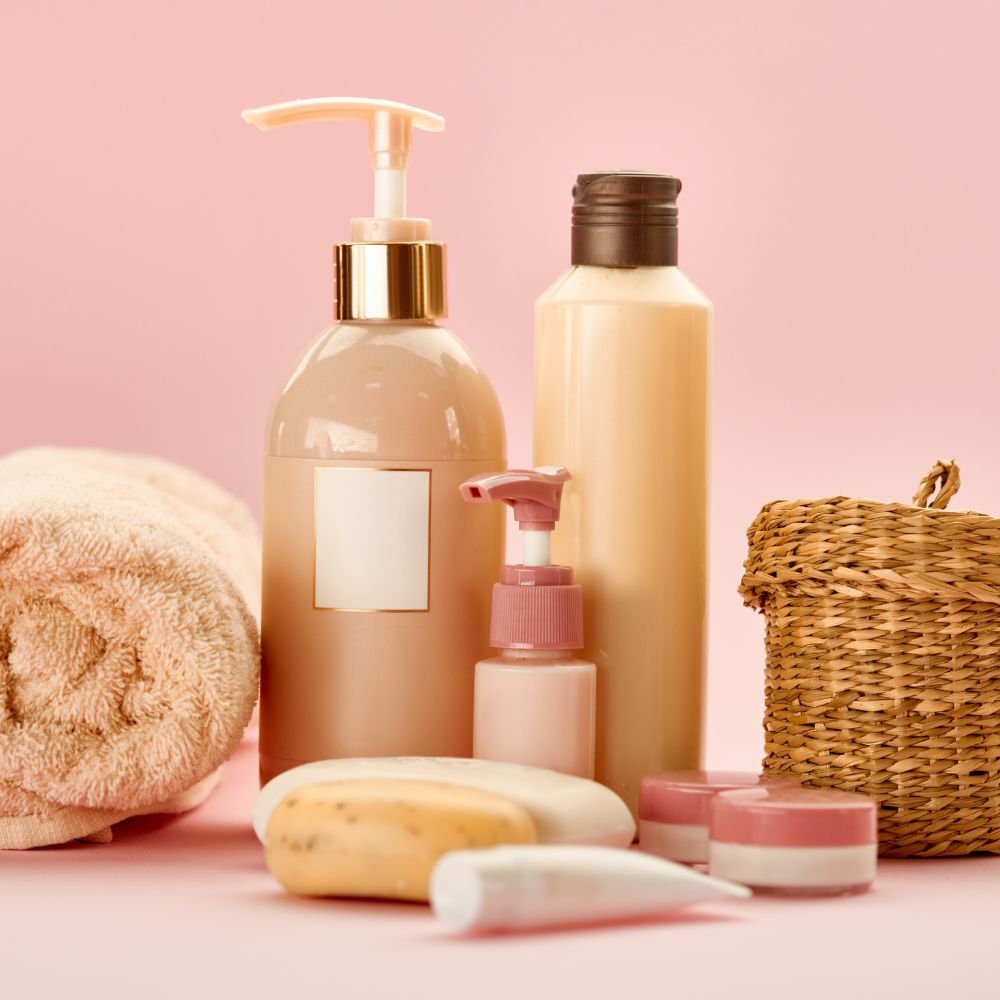
  • Simple Beauty Habits That Will Change Your Life Forever

    Beauty isn’t just about applying makeup or following the latest trends—it’s about consistency and adopting small habits that lead to long-term improvements. With the right beauty routine, you can enhance your natural glow, boost your confidence, and maintain healthy skin, hair, and nails effortlessly. Here are some simple yet powerful beauty habits that will transform your life for the better.

    1. Stay Hydrated for Radiant Skin

    Drinking enough water is one of the easiest ways to maintain a healthy and youthful appearance. Hydrated skin looks plumper, clearer, and more vibrant. Aim for at least eight glasses of water a day to keep your skin hydrated from within. Adding hydrating foods like cucumbers, watermelon, and oranges to your diet can also help maintain your glow.

    2. Develop a Consistent Skincare Routine

    A well-structured skincare routine is essential for clear and healthy skin. The key is to stick to a regimen that works for your skin type. Follow these basic steps daily:

    • Cleanse your face twice a day to remove dirt and oil.
    • Exfoliate once or twice a week to get rid of dead skin cells.
    • Moisturize to keep your skin hydrated and balanced.
    • Apply sunscreen daily to protect against premature aging and sun damage.

    3. Prioritize Nail Care

    Well-groomed nails are an essential part of looking polished and put together. Whether you prefer a natural look or love experimenting with nail trends, keeping your nails healthy should be a priority.

    • Trim and file your nails regularly to prevent breakage.
    • Apply cuticle oil to keep your nails strong and hydrated.
    • Use a protective base coat before applying nail polish to prevent damage.
    • If you love nail acrylics, ensure they are applied and removed properly to avoid weakening your natural nails. Taking breaks between acrylic applications can also help your nails stay strong.

    4. Never Sleep with Makeup On

    Sleeping with makeup clogs your pores and can lead to breakouts, dull skin, and premature aging. Always remove your makeup before bed using a gentle cleanser or micellar water. If you’re too tired, keep makeup-removing wipes by your bedside for a quick cleanse.

    5. Take Care of Your Hair Like You Do Your Skin

    Healthy hair starts with the right haircare routine. Whether you have straight, curly, or wavy hair, these habits can keep your locks strong and shiny:

    • Use a sulfate-free shampoo to prevent excessive dryness.
    • Condition your hair regularly to keep it soft and manageable.
    • Get regular trims to prevent split ends and promote healthy growth.
    • Avoid using excessive heat on your hair—if you must, use a heat protectant spray.

    6. Sleep on a Silk Pillowcase

    Switching to a silk pillowcase can do wonders for your hair and skin. Unlike cotton, silk prevents friction, reducing frizz, breakage, and fine lines. It also helps maintain your skin’s moisture overnight, keeping it soft and hydrated.

    7. Enhance Your Natural Beauty with a Balanced Diet

    What you eat directly affects your skin, hair, and nails. Incorporate beauty-boosting foods into your diet to maintain a youthful and glowing appearance:

    • Leafy greens (spinach, kale) for clear skin.
    • Nuts and seeds for strong nails and shiny hair.
    • Fatty fish (salmon, mackerel) for a natural glow.
    • Berries and citrus fruits for collagen production and skin elasticity.

    8. Practice Facial Massage for a Sculpted Look

    A daily facial massage can improve blood circulation, reduce puffiness, and give your skin a natural lift. You can use your fingers or a jade roller to massage your face in upward strokes. This also helps your skincare products absorb better.

    9. Groom Your Brows and Lashes

    Your eyebrows frame your face, and well-maintained brows can enhance your overall look. Keep them neatly shaped and consider using a brow gel to keep them in place. If you want to elevate your look effortlessly, try:

    • Lash lifts and tints for naturally curled, dark lashes without mascara.
    • Brow lamination for fuller, more defined brows.

    10. Wear Sunscreen Every Day—Even Indoors

    Sunscreen is a non-negotiable beauty habit. UV rays can cause premature aging, pigmentation, and skin damage even when you’re indoors. Choose a broad-spectrum SPF 30 or higher and apply it daily to protect your skin from harmful sun exposure.

    True beauty isn’t about following every trend—it’s about developing consistent habits that make you feel confident and radiant every day. By incorporating these simple beauty habits into your routine, you’ll see long-term improvements in your skin, hair, and nails. Whether it’s staying hydrated, caring for your nails with Glitterbels products, or prioritizing skincare, these small changes will make a lasting difference in how you look and feel.